
Logic Puzzle Games for Kids: Tips to Think Like a Puzzle Solver
Logic puzzles are not about luck or speed. They reward a way of thinking: look carefully, follow the rules and test ideas in your head before you move. This guide shows five habits that real puzzle solvers use, with examples from our own puzzle games, so kids and parents can beat harder levels with fewer moves.
How it works
A logic puzzle gives you a goal, a few strict rules and usually one simple move: tap, drag or swipe. There is no luck involved. Every level has a solution, and you can find it by thinking.
Good puzzle games add a new rule every few levels, so the early levels teach you and the later ones test you. Stars usually reward the shortest solution, which means a careful plan beats random tapping. The habits below work in almost every logic puzzle, from riddles on paper to the games on our site.
Observe before you touch
The first habit is simple: do nothing for a few seconds. Look at the whole board and ask three questions. What is the goal? What can move? What can never move?
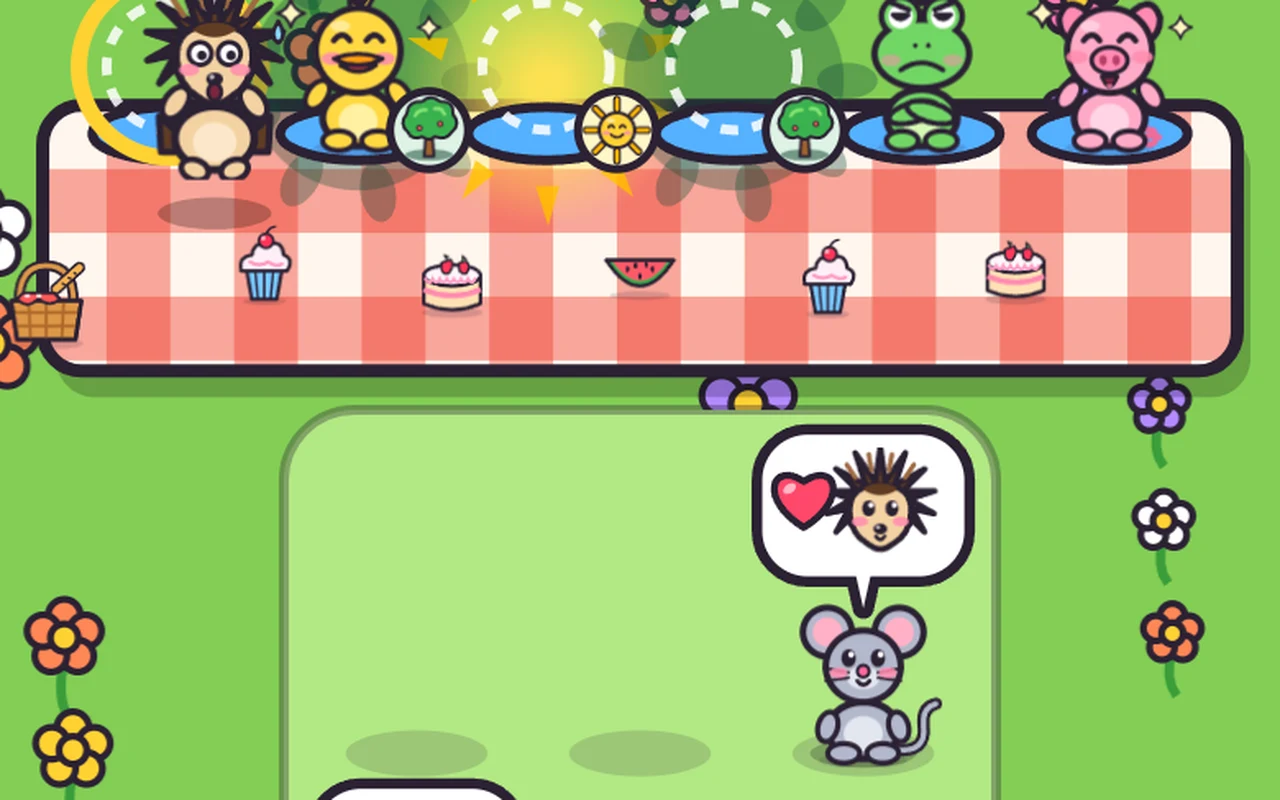
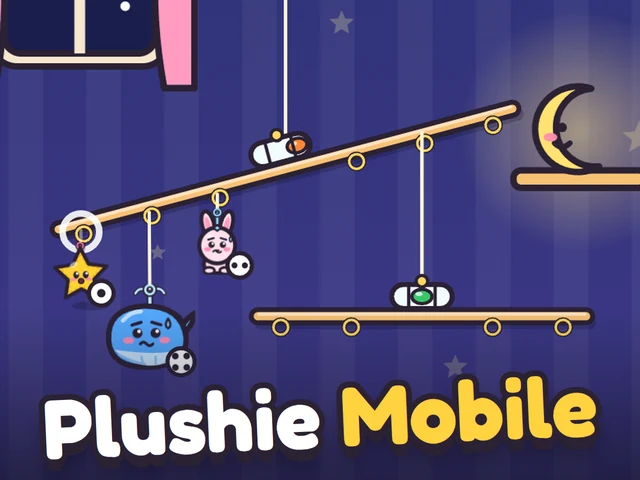
In Picnic Squabble, every guest shows a wish drawn in a bubble: a heart and a head means "next to", a crossed-out head means "not next to". Read every bubble before you drag anyone. The host with the padlock is already seated and never moves, so he is a perfect place to start. In Plushie Mobile, a plushie's weight shows in its size and in the dots on its label. Count them before you hang anything.
Take one rule at a time
Hard puzzles feel hard because several rules act at once. Take them one by one, and say each one out loud if it helps.
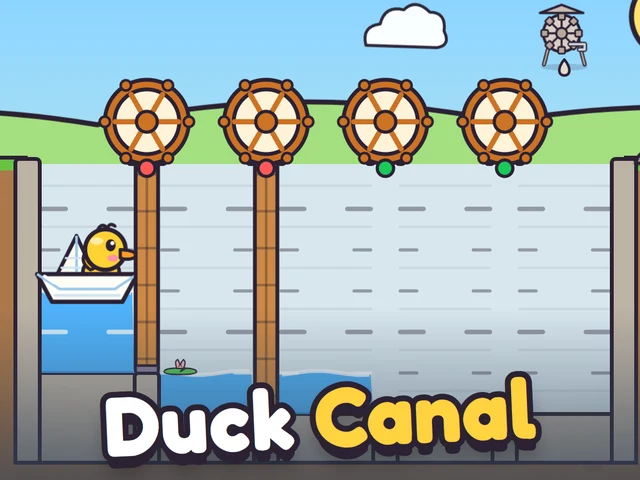
In Plushie Mobile, the main rule is weight times distance: a plushie of weight 2 on the first hook balances a plushie of weight 1 on the second hook on the other side. When a small bar hangs under a big one, solve it as its own little puzzle, then remember that it weighs everything it carries. In Duck Canal, the rule is that water flows until both sides are level. Before you tap a gate, picture where the water will end up.
Find the forced move, then eliminate
Many puzzles hide a move that is the only one possible. Find it first. In Picnic Squabble, look for the guest whose wish leaves only one free seat, put them there, then use that seat to work out the next guest.
When no move is forced, eliminate. Go through the options and cross out every one that breaks a rule. If the mouse refuses to sit next to the fox, every seat beside the fox is out for her. Often only one option survives. The bubbles help you check: green means that guest is happy whatever happens, red means they cannot be happy anymore, so something has to change.
Work backwards
Sometimes the end is easier to read than the start. Then begin with the finished picture and walk back, step by step.
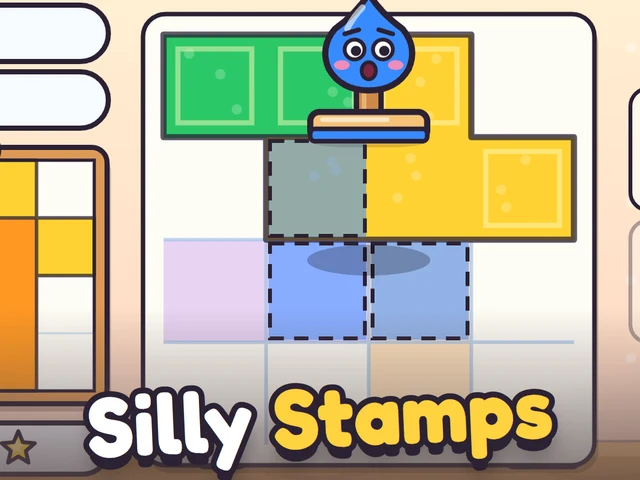
Silly Stamps is built for this. Each stamp covers what is under it, so the last stamp shows completely and the first ones are half hidden. Look at the model for a shape you can see in full: that stamp goes last. Now imagine peeling it off and look for the next full shape underneath. When you reach the bottom, you know the whole order, and you just stamp it the other way round. From level 4, the order of the stamps in the row no longer works, so this habit really pays off.
Try, look, undo
Even good solvers guess sometimes, but they guess on purpose. Make one move, look at what it changes, and undo it if it leads nowhere. Now you know one more thing that does not work.
Watch out for the obvious move, too. From level 4 in Duck Canal, opening the gate right in front of the boat no longer wins: you have to close a gate at the right moment to keep the water where you need it.
Our games make mistakes safe. In Duck Canal, the undo and restart buttons blink when the level can no longer be won. In Silly Stamps, the stamps make faces and the undo button lights up. But stars count every move, undos included, so test ideas in your head first.
Try our logic puzzles
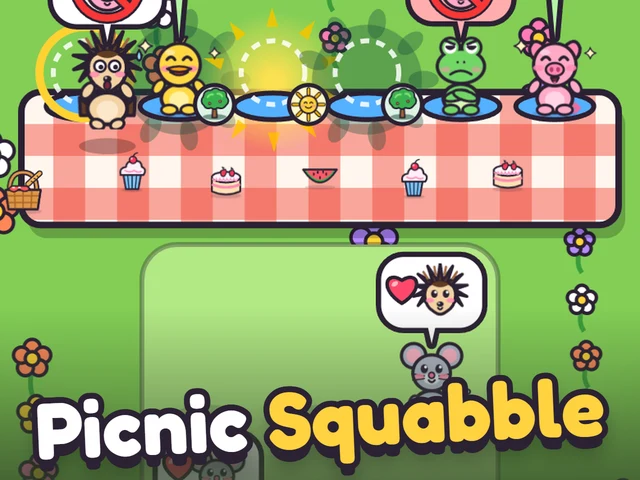
Picnic Squabble is a seating puzzle with one solution per level and wishes drawn as pictures, and Silly Stamps asks you to copy a picture by stamping in the right order. Duck Canal lets you open lock gates to sail a paper boat home, while Plushie Mobile turns balance into a cozy bedtime puzzle.
Games to practice
 New
Picnic SquabbleNew
New
Picnic SquabbleNew
 New
Silly StampsNew
New
Silly StampsNew
 New
Duck CanalNew
New
Duck CanalNew
 New
Plushie MobileNew
New
Plushie MobileNew