
Board Game Tips: How to Beat the Computer
Playing a board game against the computer is a great way to learn: it is always ready for a rematch. In the first levels it makes mistakes on purpose; later it thinks further ahead. The good news: a few simple ideas work against it again and again. Here is how these games work, then the best tips for each classic.
How it works
In all these games, you play a move, then the computer plays its move. On your turn, the places you can play light up, and in many games a preview shows what will happen before you choose. On level 1, a hand shows you a good move.
The first three levels are easy: the computer often plays at random. From level 4, in most games, the board gets bigger and the computer looks a few moves ahead. Lost a game? Replay the level. You get a new game, so think about what the computer did and try another idea.
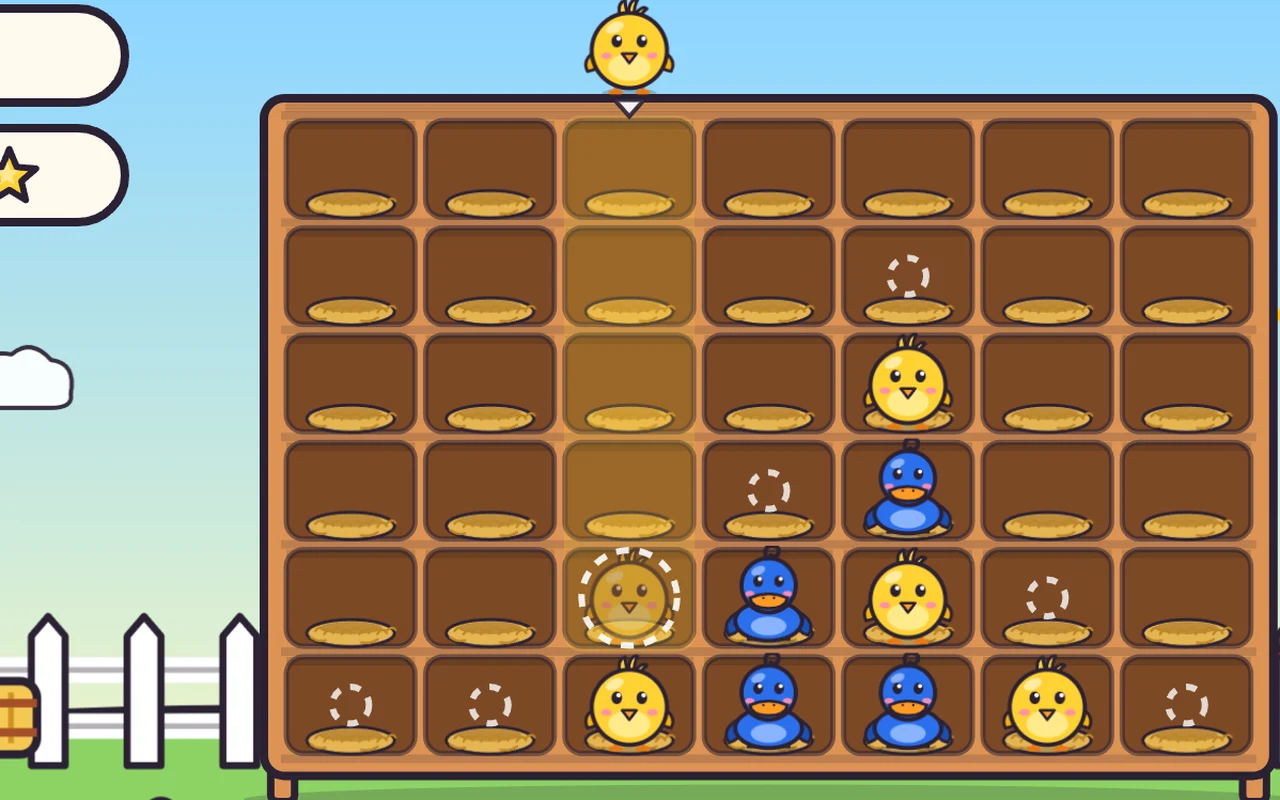
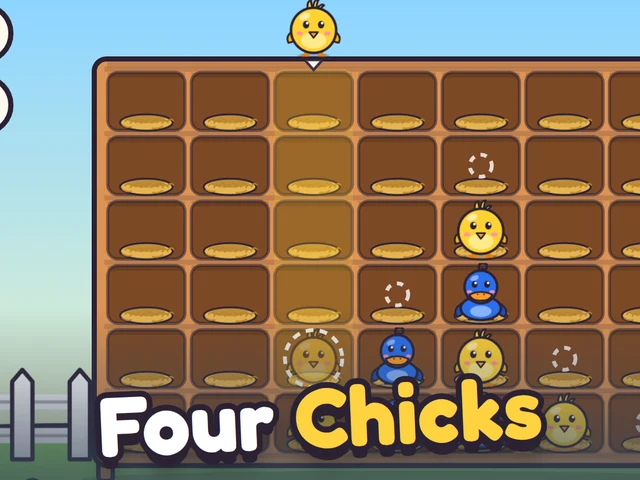
Four Chicks: play in the middle and make double threats
In four in a row, the middle is the best place. A chick in the center column can be part of many more lines than one on the edge, so start there. Before every move, check two things: can you win right now, and is the computer about to line up four? If it has three in a row with a free space next to them, block it.
The winning trick is the double threat: prepare two different places where you could finish a line. The computer can only block one of them. Also look at the space just above the one you fill: by playing there, you may give the computer the square it needs. From level 6, rocks already fill some spaces, and from level 8 you get one bomb per game that pops the computer's top chick in a column.
Panda Flip: the corners first
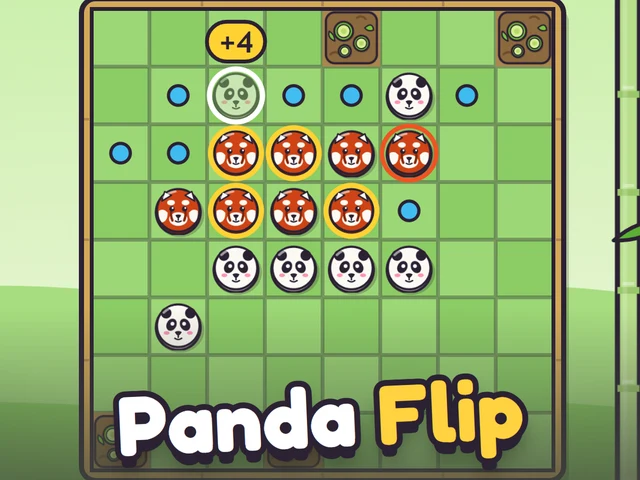
In reversi, a disc in a corner can never be flipped back. That makes corners the most precious squares on the board. Avoid the squares right next to an empty corner: playing there often hands the corner to the computer.
Don't try to flip as many discs as possible at the start. Having fewer discs in the middle of the game is fine, as long as you keep plenty of moves to choose from. The preview shows which discs a move will flip, with a +N bubble. The board is 6 by 6 up to level 3, then 8 by 8; from level 6, blocked squares cut the lines and create new safe spots.
Pirate Checkers: turn the forced capture into a trap
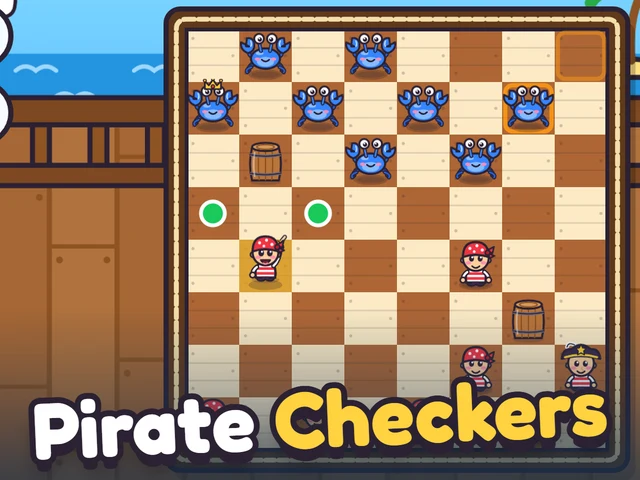
When you can capture, you must: the pieces that have to jump flash yellow. The computer must follow the same rule, and that is a trap you can set. Offer it one piece, but only if, after its jump, one of your pieces can jump two of its pieces in a row. A piece that can keep jumping goes on: always look for chain captures.
Keep a few pieces on your back row as long as you can: they stop the computer's pieces from becoming kings. Move your pieces in pairs, so none is left alone to be jumped. A piece that reaches the far side becomes a king: it moves one square diagonally in all four directions and can also capture backwards.
Candy Mancala: count before you play
Before each move, count. A hole whose candies end exactly in your jar gives you another turn. If several holes can do that, play the one closest to your jar first: it does not change the others, which can still end in your jar afterwards. Press on a hole to see where its last candy will land.
If your last candy lands in one of your empty holes, you take that hole and the one across from it. So look for a big pile on the computer's side facing one of your empty holes. Protect your own big piles the same way. When one side has no candies left, the game ends and each player keeps what is left on their side.
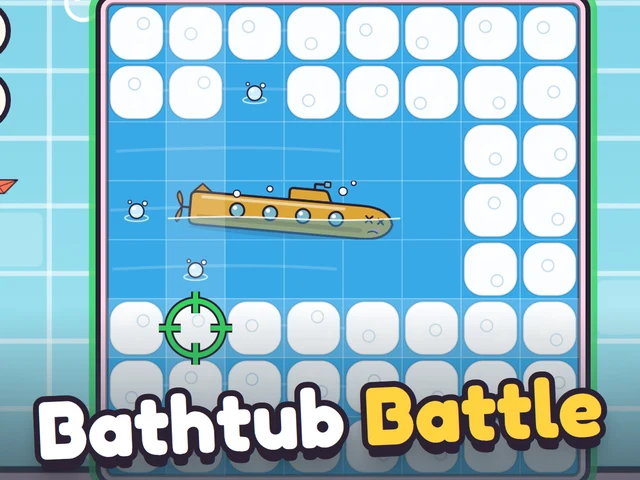
Bathtub Battle: search smart, then hunt
Every ship covers at least two squares, so you don't need to try every square at first: shoot in a checkerboard pattern, one square out of two. You will find the ships with far fewer shots.
After a hit, try the four squares around it, then follow the line once you have two hits. Ships never touch, not even by a corner, so when a ship sinks, the water around it is revealed and you don't waste shots there. Every hit lets you shoot again. From level 8, your sonar reveals a 3 by 3 area without using your turn: send it to the biggest unexplored zone.
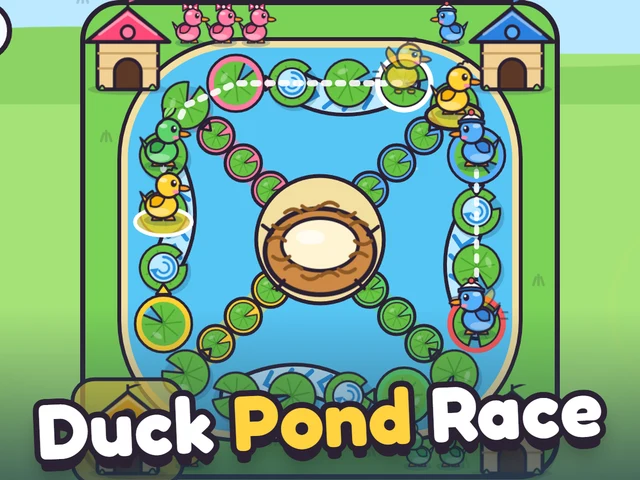
Duck Pond Race: get out, then stay safe
You need a 6 to bring a duckling out of its house, and a 6 always lets you roll again. Landing on a rival sends it back home, and the same can happen to you. So try not to stop up to six squares in front of a rival duckling: that is within reach of its next roll.
Star squares are safe: nobody can send you home there. At the end of your lane, you don't need the exact number: any roll that goes past enters the nest. You win by bringing all your ducklings to the nest first, with three stars if none of them was sent home.
Kitty Pool: avoid fouls
In this pool game, you pot all your balls, then the black. Potting one of yours lets you play again. A foul, when the cue ball falls into a pocket or touches no ball at all, gives the computer the ball in hand: it can put the cue ball wherever it wants. A calm, sure shot is better than a risky one.
Only go for the black once all your balls are in, without a foul, or you lose the game. If the computer pots the black too early, you win. You will find more aiming tips in our bowling and pool guide.
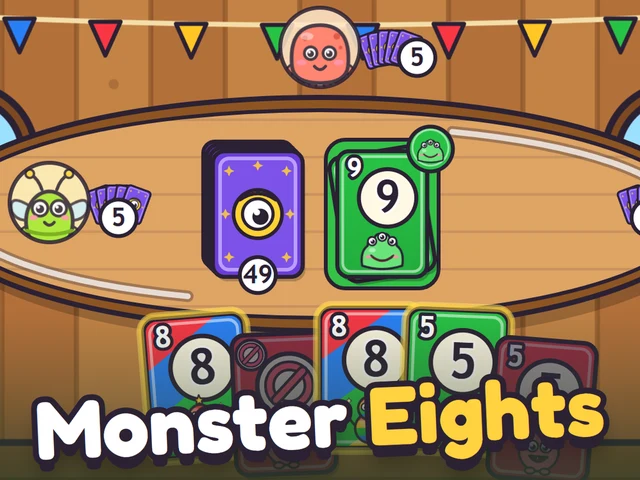
Monster Eights: keep your 8s
Play a card of the same color or the same number as the top card. The 8 goes on anything and lets you choose the next color, so keep it for when you are stuck. When you play it, choose the color you hold the most cards of.
Play the color you have the most of first, so you keep options for the next turns. If you can't play, you draw one card, and if it fits, you can play it right away. Watch how many cards the monsters have left: the first player with no cards wins. From level 6, special cards join the game, such as a card that makes the next player skip a turn.
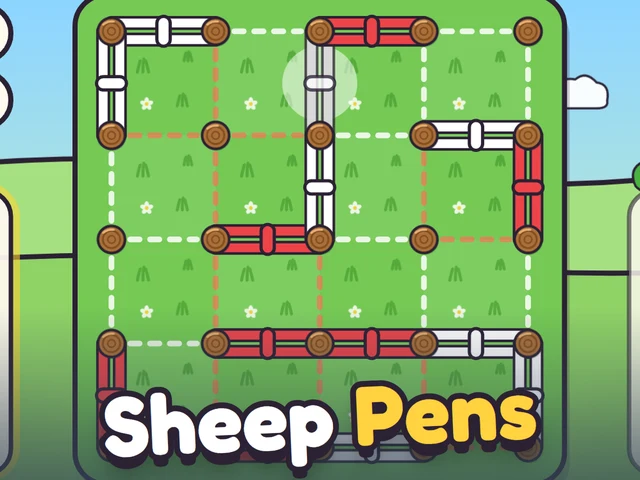
Sheep Pens: never give away the third side
In this game of dots and boxes, you draw one fence between two posts on each turn. When your fence closes a box, the pen is yours, a sheep moves in and you play again. The player with the most pens wins.
The golden rule: avoid drawing the third side of a box, because the computer will close it on its next turn. Early on, draw fences that don't touch boxes that already have two sides. At the end, when every fence gives something away, give the computer the smallest group of boxes.
Try our board games
Four Chicks, Panda Flip and Pirate Checkers for pure strategy, Candy Mancala and Sheep Pens for counting, Bathtub Battle for clever searching, Duck Pond Race for dice and luck, Kitty Pool for aiming, and Monster Eights for cards.
Games to practice
 New
Four ChicksNew
 New
Panda FlipNew
 New
Pirate CheckersNew
 New
Candy MancalaNew
 New
Bathtub BattleNew
 New
Duck Pond RaceNew
 New
Kitty PoolNew
 New
Monster EightsNew
 New
Sheep PensNew